
Year 8 English
Representation of Women
RENAISSANCE/ NEOCLASSICAL PERIODS
Brainstorm some possible keywords before you begin searching for information.
Some suggestions include:
- Renaissance women
- names of specific plays, poems, characters and/ or famous art works of the time
We recommend you search using the “All Fields” option in the Library Catalogue as well as using the resources below.
4.
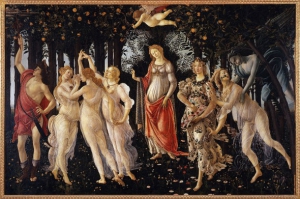
Primavera
5.
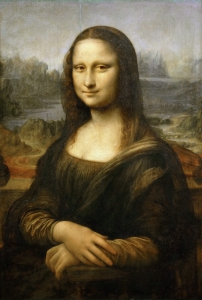
Mona Lisa
Art Works
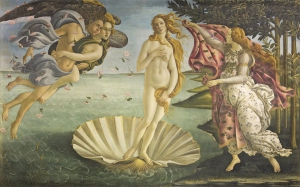
- Botticelli, Birth of Venus (Italian Renaissance)
- Botticelli, La Primavera (Italian Renaissance)
- Leonardo Da Vinci, Mona Lisa
- Raphael, The Parnassus – Muses
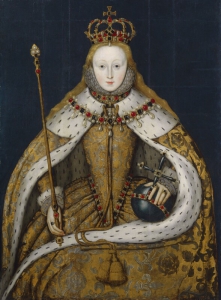
- Portrait Queen Elizabeth 1
Poetry | 821
- Paradise Lost by John Milton
- Song: Go and catch a falling star by John Donne
Plays | 822.33
- Shakespeare
- Hamlet
- Orphelia
- Macbeth
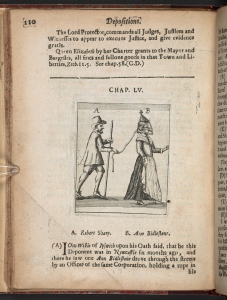
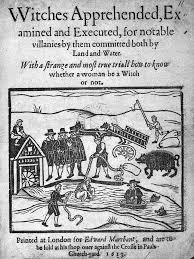
- The witches, Lady Macbeth
- Romeo and Juliet
- Juliet, Nurse, Lady Capulet
- Taming of the Shrew
- Bianca and Katherine
- Hamlet
Below is a small selection of print resources recommended by your Teacher Librarians. They contain information about the historical and social background of women in the Renaissance period as well as examples from art and literature of the time.
You can locate these books using the shelf Call No indicated.
You will also find more resources by searching the .

305.42
Bellamy, L., & Moorse, K. (1996). The changing role of women. John Murray.
610.9
Bourdillon, H. (1988). Women as healers: a history of women and medicine. Cambridge University Press.
Beliefs about witchcraft, magic and medicine is explored in this book, which may help with your understanding of women being represented as witches in some Renaissance texts, such as in Macbeth.
 945.05
Clare, J. D. (1994). Italian Renaissance. Riverswift.
940.21
Corrick, J. A. (2007). The Renaissance. Lucent.
Chapter 6 provides an overview of literature during the Renaissance.
940.2
Elliott, L. (2009). The Renaissance in Europe. Crabtree Publishing Company.
 940.21
Hinds, K. (2010). Everyday life in the Renaissance. Marshall Cavendish Benchmark.
Huntley, T. (2010). Women in the Renaissance [ebook] Crabtree Publishing Company. AccessIt Database.
Also available in print.
940.21
Murphy, L., & Matthews, R. (2010). Art and culture of the Renaissance world. New York : Rosen Central.
941.055
Stewart, G. (2003). Life in Elizabethan London. Lucent.

305.4094
Brown, M. L., & McBride, K. B. (2005). Women’s roles in the Renaissance. Greenwood Press.
709
Adams, L. S. (1997). A history of western art (2nd ed.) (pp. 94 – 126). McGraw-Hill.
820.9002
Lee-Browne, P. (2003). The Renaissance : English literature in its historical, cultural and social contexts. London : Evans Brothers.
Sets out the historical background to the period, including religion, scientific discoveries and exploration, before studying dramatic works, from the morality play to Jacobean tragedy and Shakespeare’s theatre, and poetry and prose.
Mason, A. (2007). A history of western art : from prehistory to the 21st century. Florence, Italy : McRae Books.Murphy,
Wilkes, A., & Ball, J. KS3 history. Renaissance, revolution & reformation Britain 1485-1750. (2nd edition). Oxford : Oxford University Press.


Here are some websites that your Teacher Librarians have evaluated for your use. If you search the free internet yourself be sure to evaluate the website. Refer to Thinking Critically about Web Information.
Note: Be mindful that much of what is on the free internet for this topic is content created by students and you don’t know what marks they received. It is best to use websites that come from an authoritative source.
Birth of Venus. (n.d.). http://www.artble.com/artists/sandro_botticelli/paintings/birth_of_venus
BBC Bitesize. (n.d.). Women. Shakespeare: Audience and social attitudes. http://www.bbc.co.uk/education/guides/z2wp34j/revision/3
British Council. (2016). Women in Shakespeare’s play. https://www.teachingenglish.org.uk/sites/teacheng/files/Women%20in%20Shakespeare%27s%20plays%20Student%20Worksheet.pdf
-
- Read “What choice for women in Shakespeare’s day?” on page 3
Marotous, G. (2011). Macbeth characters. http://resources.mhs.vic.edu.au/macbeth/theplay/characters.html
Marotous, G. (2011). Macbeth: witches and witchcraft. http://resources.mhs.vic.edu.au/macbeth/historical/witchcraft.html
Paradise Lost Study Guide. (2014). New Arts Library. http://www.paradiselost.org
Shakespeare Online. (n.d.). http://www.shakespeare-online.com/
-
- Use the search field on this page to find information about women and specific female characters. This site also has a helpful page on Shakepeare’s influence on other artists. Highly recommended.
Papp, Joseph, and Elizabeth Kirkland. (2003). “The Status of Women in Shakespeare’s Time.” EXPLORING Shakespeare, GaleStudent Resources in Context. http://ic.galegroup.com/
-
- Presents an overview of the social conditions in which Elizabethan women lived with references to many of Shakespeare’s plays.
Scold’s bridle. http://www.lancastercastle.com/the-scolds-bridle
BBC Bitesize. (n.d.). Belief’s and superstitions. http://www.bbc.co.uk/education/guides/zmjnb9q/revision
V & A Museum (n.d.). Women in the Renaissance. http://www.vam.ac.uk/content/articles/w/women-in-the-renaissance/
- BBC Education. (1996). Shakespeare Shorts: Macbeth Act 1, Scene 7. ClickView database.
- Hamlet
- Thomas, S. (n.d.). Who was Guinevere? https://study.com/academy/lesson/who-was-guinevere-character-stories-quiz.html
Give an example of how your chosen text/ image has influenced contemporary culture, literature, art and/or media?
Here is one example:
- Paradise Lost | Cassandra Clare – The Mortal Instruments
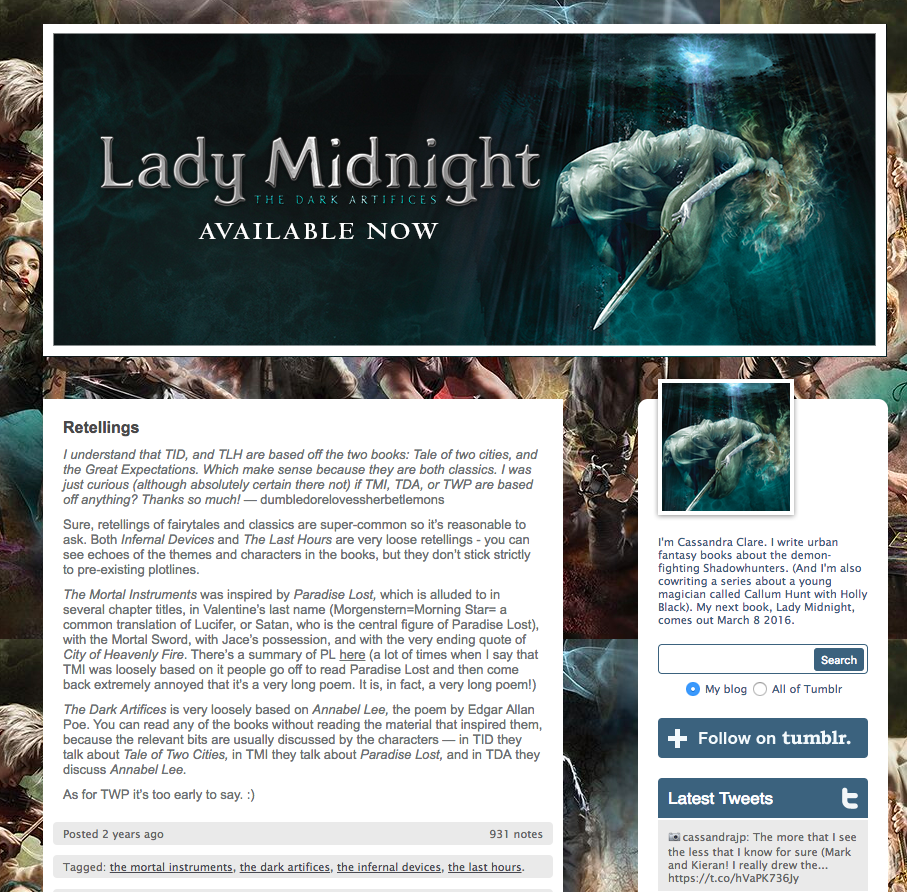
Image Reference:
Lady and the Unicorn – Desire [Image]. (n.d.). Retrieved November 5, 2016, from https://commons.wikimedia.org/wiki/File:The_Lady_and_the_unicorn_Desire.jpg#file
