
Last updated: September 2025
INTRODUCTION
This guide has been created for Year 8 HASS on the topic of
Geomorphic Hazards: Earthquake
Watch this video for an introduction to the causes of earthquakes.
National Geographic. (2011). Earthquakes 101 [Video]. https://www.youtube.com/watch?v=VSgB1IWr6O4
WEBSITES
TECTONIC PLATES
The earth’s outer crust is not a single piece of rock, but many pieces called tectonic plates. Tectonic plates fit together like a jigsaw puzzle and typically move slowly. An earthquake occurs when tectonic plates move quickly and suddenly causing the ground around it to shake. Most earthquakes occur near or along the boundaries of the tectonic plates. Below is a diagram showing the tectonic plate boundaries.
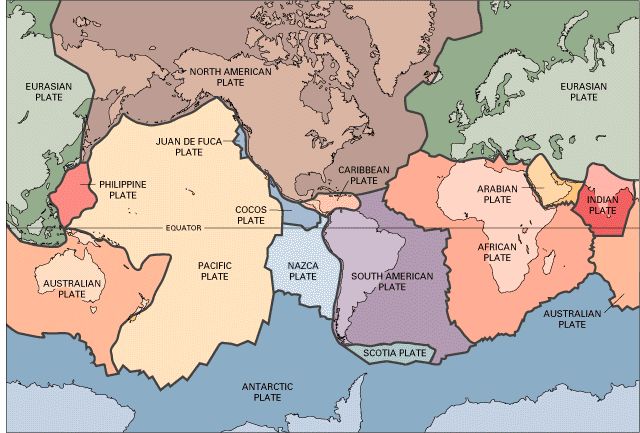
Source: USGS
DATABASES
FAULTS
A fault is a deep crack or break in the Earth’s surface and can range from a few millimetres in length to thousands of kilometres. Most faults are found near the edges of tectonic plates, but some can also be found within plates too. Many earthquakes occur along faults. One of the most well-known fault lines is called the San Andreas Fault which measures at approximately 1200 kilometres.
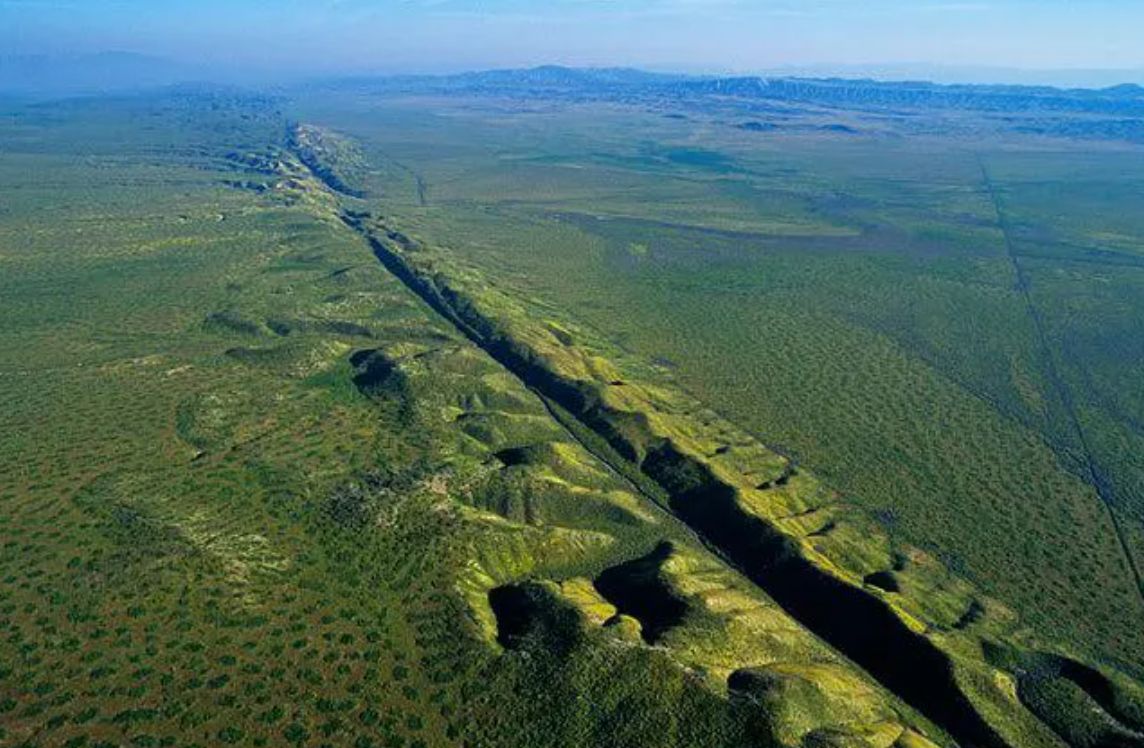
Source: Popular Science
ERESOURCES
BOOKS
Click the book cover below to view the book details in the Library Catalogue.
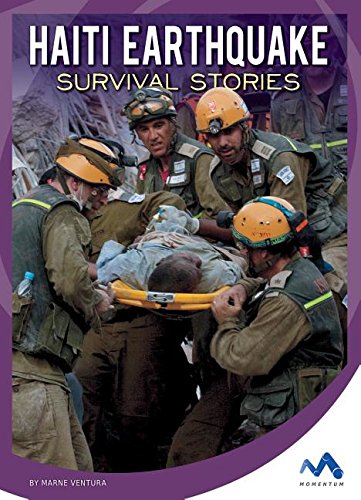
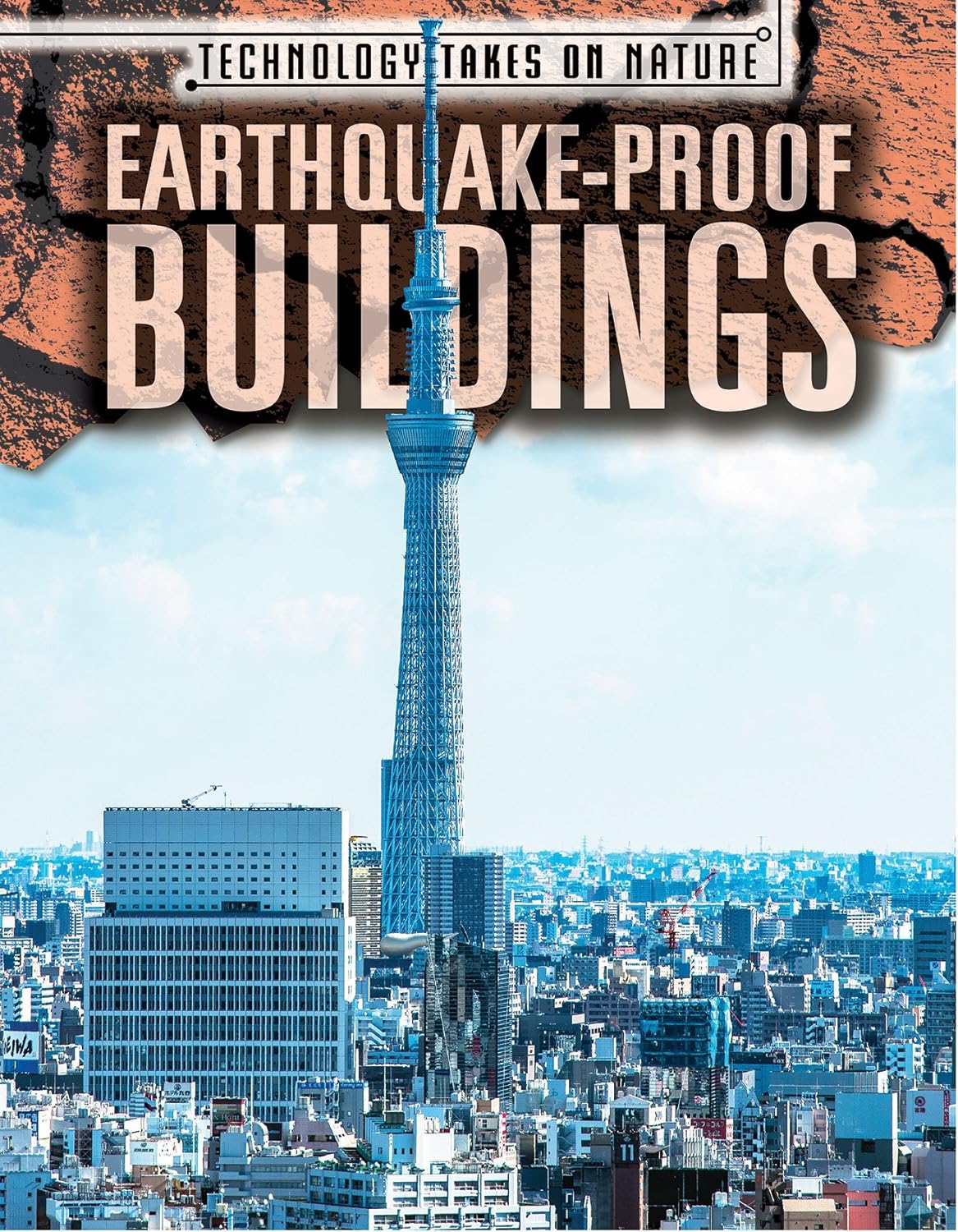
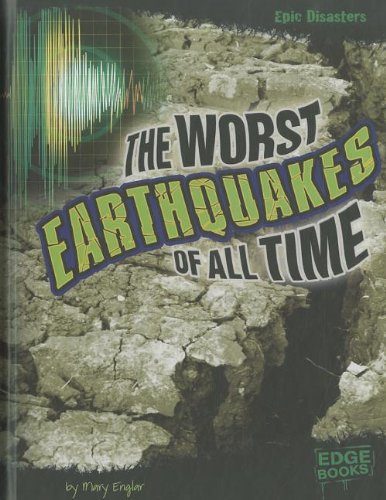
VIDEOS
Watch the videos below to introduce you to the concept of earthquakes.
Extreme Environments. (2016). Earthquakes [Video]. https://youtu.be/IeG5mHcPiqM?si=OIA5EH8eCGclWKEm
Earthquakes and tsunamis [Video]. (2013). https://clickv.ie/w/Njo3
Seeker. (2016). How we design buildings to survive earthquakes [Video]. https://youtu.be/c4fKBGsllZI?si=f501KrXUD9nvEoQF
References
Earthquake [Image]. (n.d.). The conversation. http://theconversation.com/revealing-cracks-in-seismology-406