
Year 8 English
Representation of Women
MODERN PERIOD – 1920s – End of WWII
SEARCH TERMS
Brainstorm some possible keywords before you begin searching for information.
Some suggestions include:
Role of women +
roaring twenties
roaring 20s
Jazz age
Great Depression
Women World War II/ World War 2
names of specific novels, plays, poems, characters and/ or famous art works of the time
We recommend you search using the “All Fields” option in the Library Catalogue as well as using the resources below.
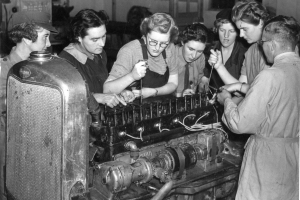
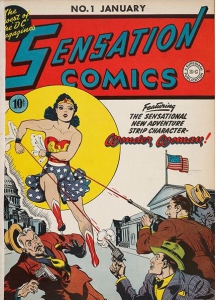
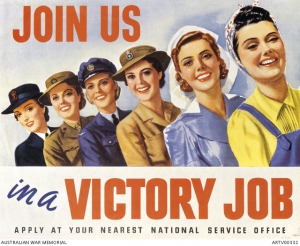
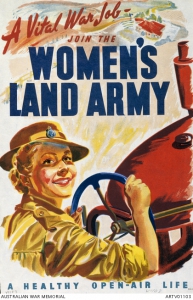
Media/ Art
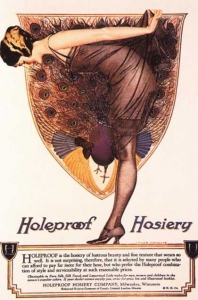
- Advertising – 1920s | 1930s | 1940s
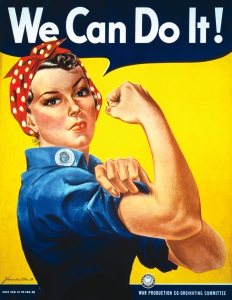
- Posters – Rosie the Riveter (1942/ 1943) – You’ll find information about Rosie the Riveter in some of the resources listed on this page
- Magazine – Good Housekeeping
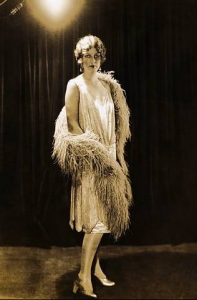
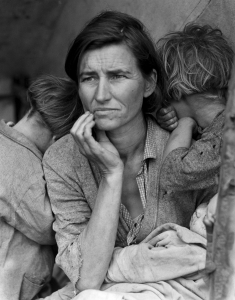
- Photographs – Use your keywords to search https://trove.nla.gov.au/ for Australian photographs (You’ll also find other photographic sources in the websites listed on this page)
- Comic books – 1940’s women comic book characters (including Wonder Woman)
Prose (Novels)
The following novels are available in the Library.
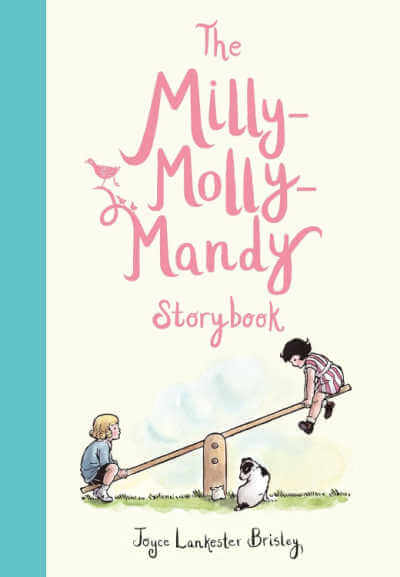 F BRI
F BRI
Brisley, Joyce Lancaster. (2018). Milly-Molly-Mandy stories. Pan MacMillan.
 First published: 1928
Find the first chapter on Amazon.
 F BLY
F BLY
Bylton, E. (2015). Five on a treasure island. Hodder Children’s Books.
First published: 1942.
F TRA
Travers, L (1981). Mary Poppins. Harcourt.
First published: 1934
An eAudio copy is available HERE
SF FIT
Fitzgerald, F. S. (1990). The great Gatsby. Penguin books.
 First published: 1925.
Print Resources
This is a selection of print resources recommended by your Teacher Librarians. They contain information about the historical and social background of women in the early 20th Century as well as providing examples of art, literature and media of the period.
You can locate these books using the shelf Call No indicated.
You will also find more resources by searching the Library Catalogue.
 391.009046 NIV
Niven, F. L. (2012). Fabulous fashions of the 1920s. Enslow Publishing.
Niven, F. L. (2012). Fabulous fashions of the 1930s. Enslow Publishing.
Niven, F. L. (2012). Fabulous fashions of the 1940s. Enslow Publishing.
940.53082 DEL
Dell, P. (2018). The women behind Rosie the Riveter : working for the U.S. war effort. Capstone Press.

305.409 BEL
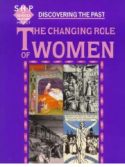
Bellamy, L., & Moorse, K. (1996). The changing role of women. John Murray.
Provides details and source material tackling questions:
How did women win the vote? Did getting the vote change anything? Have women won equal rights with men in tthe twentieth century?
305.420973 NAR
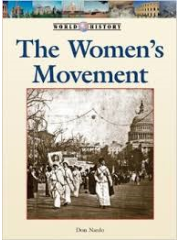
Nardo, D. (2011). The women’s movement. Lucent.
 305.420994 INS
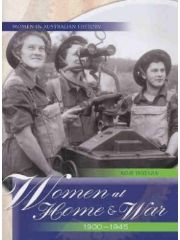
Inserra, R. (2004). Women at home & war : 1900-1945. Heinemann Library.
324.6230994 OLD
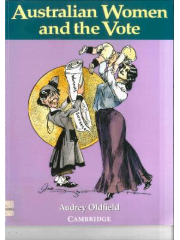
Oldfield, A. (1994). Australian women and the vote. Cambridge University Press.
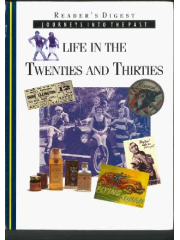 909.822 COC
Cochrane, J., & Reader’s Digest (1995). Life in the twenties and thirties. Reader’s Digest Association.
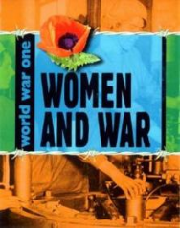 940.3082 KRA
Kramer, A. (2004). Women and war. Watts Books.
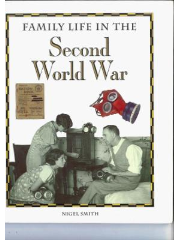 941.084 SMI
Smith, N. (1994). Family life in the Second World War. Wayland.
Search the Library Catalogue for more.
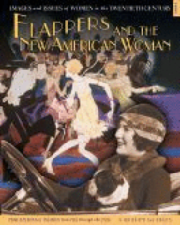
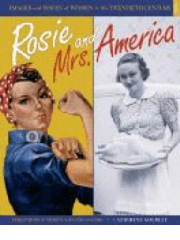
305.40904 GOU
Gourley, C. (2008). Rosie and Mrs. America : perceptions of women in the 1930s and 1940s. Twenty-First Century Books.
 305.40904 TUR
Turner, M. (2003). The women’s century : a celebration of changing roles 1900-2000. National Archives of Australia.
Provides comprehensive contextual coverage of the changing role of women for each decade.
Search the Library Catalogue for more.
eBooks

Dell, P. (2015). The Women Behind Rosie the Riveter: Working for the U.S. War Effort. Capstone Press
Waging war involves more than just the soldiers on the front line, it take an entire nation. Many women in the U.S. played a pivotal role in the war effort and entered the work force to fill the spots left vacant by the men at war. Rosie the Riveter became a rallying cry for women starting in World War II and continues on to this day.
A fantastic resource!
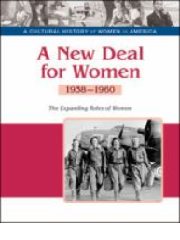
This book traces the expanding roles of women as they came into their own following the Great Depression in World War II, and how they were able to maintain some of those gains during the post-war era.
eResources
Use your keywords to search for articles in the following Online Databases.

Websites
Here are some websites that your Teacher Librarians have evaluated for your use. If you search the free internet yourself be sure to evaluate the website. Refer to Thinking Critically about Web Information.
Note: Be mindful that much of what is on the free internet for this topic is content created by students, including university level, and you don’t know what marks they received. Remember you want to find material that is suited to your age and comes from an authoritative source. We have check these ones for you.
Australian Government. (n.d.). Women in war time. http://www.australia.gov.au/about-australia/australian-story/women-in-wartime
CBS News. (n.d.). Early 20th century women in the workplace. Retrieved from https://www.cbsnews.com/pictures/women-in-the-workplace-20th-century/
State Library of Victoria. (n.d.). Roles for women in WWII. http://ergo.slv.vic.gov.au/explore-history/australia-wwii/home-wii/roles-women-wwii
Women: Representations in advertising. (2003, September 15). Adage. http://adage.com/article/adage-encyclopedia/women-representations-advertising/98938/
World War II: 1929-1945 (n.d.). Striking women: Women and work. http://www.striking-women.org/module/women-and-work/world-war-ii-1939-1945
Videos
*Note: Focus in on British women
History. (2013, September 23). Rosie the Riveter [Video]. YouTube. https://youtu.be/bU2tt1h53jM
Learning Essentials. (1986). Australian women’s heritage 1901-1945 [Video]. ClickView database.
* Note: Chapters 7-12 are the relevant segments to watch. See you teacher or teacher librarian if you need help to find the chapters.
Classroom Video. (1988). Women in Australia: 1890-1990. [Video]. ClickView database.
* Note: Chapter 7 to 11 are the most relevant to the role of women during this time. See you teacher or teacher librarian if you need help to find the chapters.