
Year 8 English
Representation of Women
THE ROMANTIC PERIOD
Search Terms
Brainstorm some possible keywords before you begin searching for information.
Some suggestions include:
romantic period
romantic literature
women nineteenth century
women 1800’s
names of specific novels, plays, poems, characters and/ or famous art works of the time
We recommend you search using the “All Fields” option in the Library Catalogue as well as using the resources below.
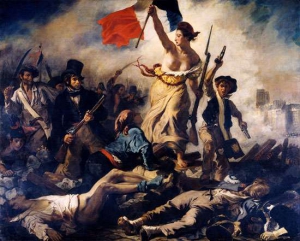
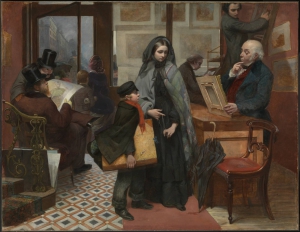
Representations of Women – Visual Examples

Representations of Women – Written examples
Poetry
- William Wordsworth
Prose
- Grimm tales (1812-22)
- Cinderella
- Little red cap
- Rapunzel
- Briar Rose
- Pride & Prejudice by Jane Austen (1813) (Watch the 2005 film trailer)
- Frankenstein by Mary Shelley (1816)
- The three musketeers by Alexandre Dumas (1844)
- Jane Eyre by Charlotte Bronte (1847)
- Moby Dick by Herman Melville (1851)
Print Resources
Below is a small selection of print resources recommended by your Teacher Librarians. They contain information about the historical and social background of women in Romantic Period as well as examples from art and literature of the period.
You can locate these books using the shelf Call No indicated.
You will also find more resources by searching the Library Catalogue.
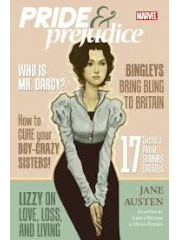 F AUS
F AUS
Austen, J., Petrus, H., & Butler, N. (2009). Pride and prejudice / adapted by Nancy Butler and Hugo Petrus. Marvel Illustrated.

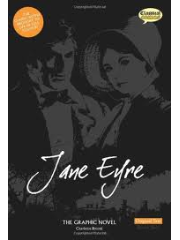 F BRO
F BRO
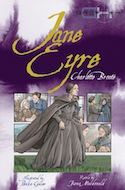
Bronte, C., & Corzine, A. (2008). Jane Eyre : the graphic novel. Classical Comics.
Presents in graphic novel format an adaptation of Bronte’s story about an orphaned young English woman who accepts employment as a governess at Thornfield Hall, a country estate owned by the mysterious and remote Mr. Rochester.
 F BRO
F BRO
Macdonald, F., Bronte, C., & Gelev, P. (2009). Jane Eyre. Book House.
A graphic novel adaptation of Charlotte Bronte’s novel. Jane Eyre, plain and orphaned, becomes a governess at Thornfield Hall where she believes she will find happiness, but discovers that Thornfield Hall hides a dreadful secret. Includes information about the Bronte family.
 F SHE
F SHE
Macdonald, F., & Shelley, M. (2008). Frankenstein. Book House.
 F SHE
F SHE
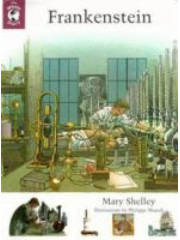
Shelley, M. (1998). Frankenstein. Viking.
This is the complete, unabridged text as originally published with generous annotations that provide explanations of history, geography, popular culture at the time, social customs etc. It is also lavishly illustrated.
305.409
Bellamy, L., & Moorse, K. (1996). The changing role of women. John Murray.
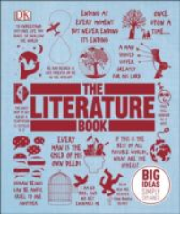 809
809
Atkinson, S., & Canton, J. (2016). The literature book. DK.
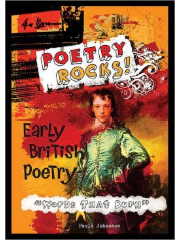
821.009
Johanson, P. (2010). Early British poetry : words that burn. Enslow Publishing.
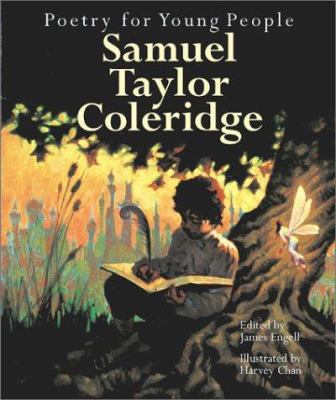
821.7
Coleridge, S. T., Engell, J., & Chan, H. (2003). Samuel Taylor Coleridge. Sterling Publishing.
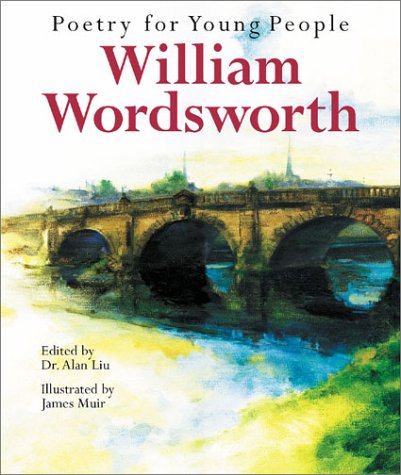 821.7
821.7
Wordsworth, W. (2003). William Wordsworth. Sterling Publishing.
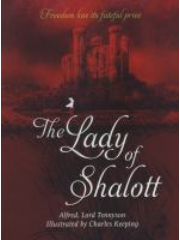
821.8
Tennyson (2013). The Lady of Shalott. Oxford University Press.
305.409033
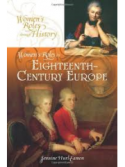 Hurl-Eamon, J. (2010). Women’s Roles in Eighteenth-Century Europe. ABC-CLIO.

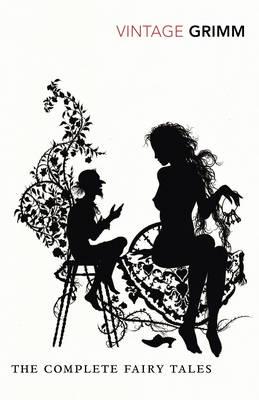
398.20943
Grimm Brothers, Zipes, J., & Crane, W. (2007). The complete fairy tales. Vintage.
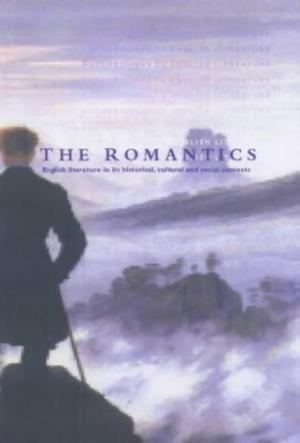
821.009
King, N. (2003). The romantics : English literature in its historical, cultural and social contexts. Evans Brothers.
This book sets out the historical, economic and social context of the Romantic movement as well as looking at writers and literary works of different types from the period.
 823.7
823.7
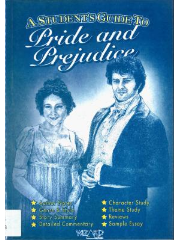
Lambert, J., & McRoberts, R. (2002). A student’s guide to Pride and prejudice, by Jane Austen. Wizard books.
 823.7
823.7
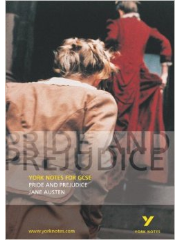
Pascoe, P. (2002). Pride and prejudice, Jane Austen : notes. (Rev. ed.). York Press, Pearson Education.
 823.8
823.8
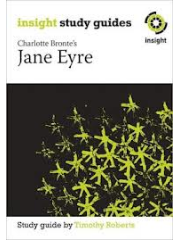
Roberts, T. (2011). Jane Eyre, Charlotte Bronte. Insight.
eResources


Websites
Here are some websites that your Teacher Librarians have evaluated for your use. If you search the free internet yourself be sure to evaluate the website. Refer to Thinking Critically about Web Information.
Note: Be mindful that much of what is on the free internet for this topic is content created by students and you don’t know what marks they received. It is best to use websites that come from an authoritative source.
British Library. (n.d.). Discovering literature: Romantics and Victorians. https://www.bl.uk/romantics-and-victorians
British Library. (n.d.). Courtship, love and marriage in Jane Austen’s novels. https://www.bl.uk/romantics-and-victorians/articles/courtship-love-and-marriage-in-jane-austens-novels
Columbia College. (n.d.). Historical context for Pride and Prejudice by Jane Austen. https://www.college.columbia.edu/core/node/1765
Louvre. (n.d.). Liberty leading the people. http://www.louvre.fr/en/oeuvre-notices/july-28-liberty-leading-people
Joshi, V. (n.d.). Role of women in the Victorian era. http://www.victorian-era.org/roles-of-women-in-the-victorian-era.html
Videos
British Library. (2014, June 9). Jane Austen: Class and marriage. [Video]. YouTube. https://youtu.be/xlLts5IRmm4
British Library. (2014, June 9). Jane Austen: Gender and morality [Video]. YouTube. https://youtu.be/2_MHHz3RI4w
Khan Academy. (n.d.). Liberty leading the people [Video]. https://www.khanacademy.org/humanities/becoming-modern/romanticism/romanticism-in-france/v/delacroix-liberty-leading-the-people-1830
Bio. (n.d.). Jane Austen: Lessons in love [Video]. http://www.biography.com/people/jane-austen-9192819/videos/jane-austen-lessons-in-love-2080062743